
iptv home automation features
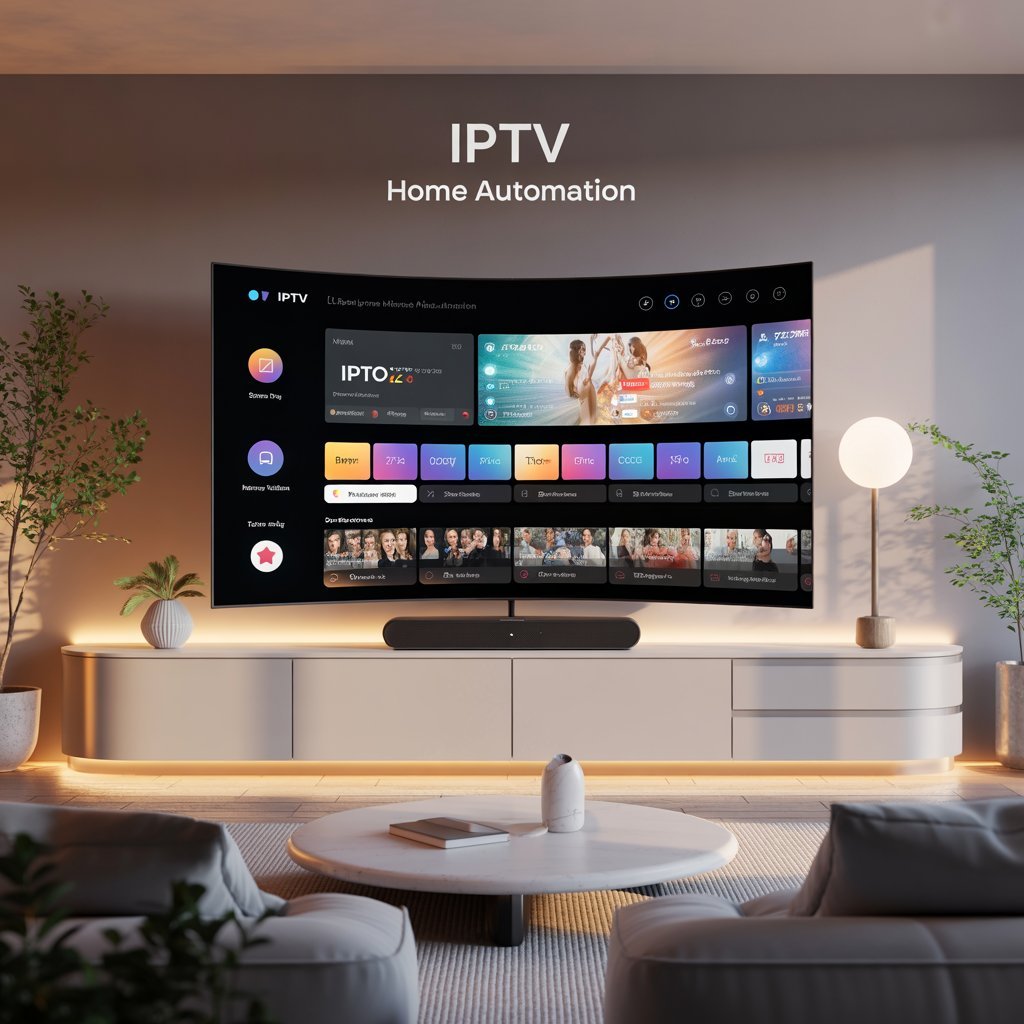
IPTV Home Automation Features – The Perfect Blend of Smart Living and Entertainment
Over the last decade, the way we interact with our homes has transformed dramatically. The concept of a “smart home” used to be a futuristic dream — something you might only see in a sci-fi movie. Today, it’s a reality. From voice assistants that can dim your lights and lock your doors, to refrigerators that notify you when you’re out of milk, the modern home is becoming a dynamic, responsive space that adapts to its occupants.
While much of the smart home conversation revolves around lighting, heating, security, and appliances, there’s a huge part of modern living that often gets overlooked: entertainment. And in particular, IPTV — Internet Protocol Television — is playing a massive role in merging home entertainment with home automation in ways that are more seamless, personalized, and convenient than ever before.
In this guide, we’ll dive deep into IPTV home automation features — exploring what’s possible, how the technology works, and why integrating IPTV into your smart home might just be one of the best lifestyle upgrades you can make.
The Shift from Traditional TV to IPTV
If you grew up planning your evening around a channel’s schedule, you probably remember the quiet drama of missing a show by five minutes. Today, the schedule bends to us. That bend—away from broadcast timing and toward internet delivery—is the story of IPTV, and it’s a bigger shift than a new remote or a shinier screen. It’s a change in how television is made, found, and felt.
From “What’s On?” to “What Do I Want?”
Traditional television was built like a train timetable. Shows arrived at fixed times on fixed tracks, and you adjusted your life accordingly. It worked fine—until the internet taught us that information doesn’t have to keep time. IPTV flips the center of gravity. The question stops being what’s on and becomes what do I want? That one pivot changes everything from how programs are commissioned to how we watch the news while making breakfast.
What Actually Changes Under the Hood
People often explain IPTV as “TV over the internet,” which is true but undersells it. The pipes matter, but so does what the new plumbing allows:
- Unbundled channels → Apps and catalogs: Instead of living inside a cable bundle, content lives inside apps and libraries you can search, filter, and resume across devices.
- Linear feeds → On-demand and time-shift: Missed the 8pm slot? It’s a non-issue. The episode waits for you, not the other way around.
- One-way broadcast → Two-way feedback: The stream knows where it paused, what you liked, and whether your connection hiccuped. That feedback loops into recommendations and quality adjustments.
- Set-top box lock-in → Device freedom: Phone, tablet, smart TV, console—pick your screen, pick your room, pick up where you left off.
The Viewer’s Side: Small Frictions, Big Relief
On a quiet Tuesday night, the difference shows up in the small moments. You ask a voice assistant to start the next episode. The lights dim because your living room routine knows “movie mode.” If the doorbell rings, the show pauses—no scramble for the remote. IPTV fits into the rest of your digital life instead of asking your life to fit into it.
“Television used to be a destination. Now it’s a companion that follows you from room to room, screen to screen, and mood to mood.”
Why Creators Care About the Shift
Behind the scenes, the change is just as dramatic. When distribution doesn’t demand a 42-minute or 22-minute slot, storytellers can stretch or compress to fit the idea. Short-run documentaries, interactive specials, niche sports—formats that struggled in the old grid can thrive in a catalog world. And because engagement is measurable, funding can follow proof instead of guesswork.
The Money Question: Bundles, Unbundled
For decades, the bundle subsidized variety—your monthly bill covered channels you never watched so that the few you loved stayed affordable. IPTV unbundles that bargain. You can mix services like a playlist, but you also feel each line item. The net result? More control, sometimes more savings, but also a new kind of homework: deciding which catalogs are worth your month.
Search Beats Surf
Remember channel surfing? It made sense when the only way to discover was to flip past whatever a network decided to air. With IPTV, search and recommendation are the new surf. You type “quiet heist movie,” and something oddly perfect appears. The better the metadata and the smarter the suggestions, the less time you spend hunting for a good 90 minutes.
Quality Isn’t Just 4K—It’s Adaptation
Old-school broadcasts aimed for one consistent quality level. IPTV aims for the best possible picture right now, given your connection and device. Bitrates step up or down mid-scene. Buffers refill on the fly. It’s less romantic than “coming to you live via satellite,” but the end result—a smoother, sharper picture more of the time—is hard to argue with.
Control Moves to the Couch
In the broadcast era, control lived at the station. With IPTV, control slides toward the couch: pause, rewind, switch audio tracks, turn on captions, jump to a highlight reel. If you care about a director’s commentary, it’s probably there. If your living room is noisy, captions are one tap away. Accessibility isn’t an afterthought; it’s built into the stream.
News, Sports, and the “Now” Problem
Some genres felt welded to real-time broadcasts—news and sports, especially. IPTV didn’t replace “live”; it blended it. You can watch the match as it happens, then pull up player cams, heat maps, or condensed replays after. For news, live streams sit next to explainers and clips, so catching up doesn’t mean waiting for the top of the hour.
Households with Different Tastes Finally Win
One television used to be a battleground. Today, IPTV makes truce easier: multiple profiles, simultaneous streams, parental controls that actually stick. Friday night now supports a scary movie in the den, a cooking show in the kitchen, and a cartoon in the kids’ room—all without a chess match over the remote.
What We Give Up
Every shift has trade-offs. The serendipity of stumbling onto a late-night documentary while flipping channels is rarer. Choice can be tiring; decision fatigue is real. And we’ve swapped a single cable bill for a handful of subscriptions that need occasional pruning. None of these are dealbreakers, but they’re worth acknowledging.
Where It’s Heading
IPTV isn’t a finish line—it’s a platform for the next wave. Expect smarter personalization, better integration with the rest of the home (lights, speakers, doorbells), and new kinds of interactive storytelling. The line between “TV” and “app” will blur until it’s mostly a historical footnote. You’ll still sit down to watch something; you’ll just spend less time wrestling with how to watch it.
If You’re Making the Switch
- Audit what you actually watch. Pick services that match your habits, not the hype.
- Mind the home network. Good Wi-Fi is the new good antenna.
- Set profiles and pins early. Saves headaches later, especially with kids in the mix.
- Bundle smartly. Yearly deals can beat monthly churn if you’re committed.
- Integrate with your home. Tie your TV routines to lighting and audio; it’s a small lift with a big feel.
Bottom Line
The move from traditional TV to IPTV isn’t just about swapping cables for an app. It’s a cultural and practical reset—away from schedules and toward choice, away from one-way broadcasts and toward a conversation between viewer and screen. For most households, that adds up to a quieter kind of luxury: television that fits your life rather than the other way around.
How IPTV Fits into a Smart Home Ecosystem
In most houses, the television still owns the biggest, comfiest seat in the room. The twist in 2025 is that your “TV” probably isn’t just a TV—it’s an app, a hub, and a set of routines stitched into the rest of your home. This is the quiet magic of IPTV: it slips into your existing smart gear and makes a Tuesday evening feel a little more like a scene you set on purpose.
The Simple Idea (and Why It Matters)
IPTV—Internet Protocol Television—delivers channels and on-demand shows over the same networks your lights, sensors, speakers, and doorbell use. That shared language is the unlock. Instead of a lonely set-top box living on an island, IPTV becomes another node in the graph: automatable, observable, and trigger-friendly. The result isn’t a gimmick; it’s fewer remotes, fewer taps, and a home that reacts to what you’re watching.
The Pieces of the Puzzle
1) Network & Protocols
Wired Ethernet for reliability where you can; strong Wi-Fi where you can’t. Around that, your home is probably a mix of Zigbee, Z-Wave, Thread, and Wi-Fi devices. Matter sits on top to help them play nicely. IPTV just needs IP—so it slides right in.
2) A Hub (or Two)
Alexa, Google Home, Apple Home, SmartThings, or Home Assistant—pick your conductor. The hub ties your IPTV app or streaming device into scenes, routines, and voice commands.
3) The Screen & Player
Smart TV apps, streaming sticks/boxes, or an IPTV-capable set-top. What matters most is integration: can it expose play/pause, app launch, input switch, and now-playing data to the hub?
4) Sensors & Actuators
Motion sensors, light strips, shades, thermostats, smart plugs, doorbells, and speakers. These are the “withs” in “when TV does X, adjust Y.”
Common Integration Patterns That Actually Work
Scene-Based Control
Scenes bundle actions—lights to 20%, shades down, soundbar on, IPTV app launched to your watchlist. One phrase to your assistant and the room snaps into character.
State-Driven Automations
- When playback starts: Dim lights, enable bias lighting, lower fan speed, set phone to Focus.
- When paused: Raise lights to 60% and show a small clock on the screen saver.
- When stopped: Turn off AVR and bias lights after 5 minutes; return thermostat to schedule.
Event Overlays
Doorbell rings? Show a picture-in-picture from the front cam. Laundry done? A gentle on-screen banner instead of a shrill beep. The trick is subtlety: notifications should whisper, not shout.
Voice Shortcuts You’ll Actually Use
- “Movie time” → launches your IPTV app, switches to the cinema picture mode, and tightens the subwoofer a notch.
- “Kids’ TV” → locks profile to age-appropriate catalog, brightens lights, sets a 45-minute timer.
- “After the match” → kills party mode lights and returns the house to weekday calm.
Real-World Setups (Borrow What Fits)
The Cozy Apartment
Small living room, one TV, a couple of smart bulbs, and a soundbar. The win here is simplicity: one routine for Watch (lights 25%, IPTV app open), one for Pause (lights 60%), one for Goodnight (everything off, TV included). You get 90% of the magic with 10% of the wiring.
The Family House
Profiles matter. IPTV profiles sync with parental controls, so “Cartoons” on the kitchen display doesn’t unlock action movies in the den. Multi-room audio follows the game from living room to patio, and the doorbell cam pops up mid-episode so no one sprints for packages.
The Enthusiast’s Den
Bias lighting tied to screen edges, AVR volume mapped to time of day, instant input switching between IPTV and a console, plus a “Lights to credits” automation that fades the room up when the end titles roll. Yes, it’s extra. Yes, it’s worth it.
Networking Without the Headaches
Prioritize stability over theoretical speed. If you can run Ethernet to the TV wall, do it. If not, place your router like furniture—central, up off the floor, away from microwaves. Mesh is your friend in long homes with thick walls.
- QoS: Prioritize streaming traffic so a big file sync doesn’t kneecap your match.
- 2.4 vs 5 GHz: TVs and boxes generally prefer 5 GHz for throughput; sensors often live on 2.4 GHz.
- Names matter: Clear SSIDs (e.g., Home-5G / Home-2G) save guesswork during setup.
Privacy, Security, and the “Who’s Watching Whom?” Question
- Per-profile data: Use separate IPTV profiles; don’t blend yours with the kids’ or guests’.
- Account hygiene: Two-factor auth on your IPTV and hub accounts; unique passwords (a manager helps).
- Mute the mic (selectively): It’s okay to love voice control and still toggle the microphone off when not in use.
- Local first: Where possible, prefer automations that run locally on your hub. Faster, and less cloud-dependent.
Making IPTV “Automation-Friendly”
When shopping, look for a player or app that exposes controls to your ecosystem. Minimum viable wish list:
- Deep links: Ability to launch directly into a channel, show, or profile from a routine.
- Playback events: Play/Pause/Stop states that your hub can “see.”
- Wake-on-LAN / CEC: Powering on the TV and switching inputs without three remotes.
- Now-playing metadata: So your “credits = lights up” trick works reliably.
- Multi-profile support: Tie scenes to the right audience without babysitting settings.
Small Touches That Feel Big
- Bias lighting: A soft back glow behind the TV reduces eye strain and feels cinematic.
- Adaptive audio: Night mode that compresses loud explosions so sleeping kids stay asleep.
- Auto-shades: Afternoon glare? Drop the blinds to 60% when a stream starts between 3–6pm.
- Presence awareness: If no motion for 20 minutes, pause and dim; if still empty after 10 more, power off.
Troubleshooting Without Losing Your Saturday
Symptom: Buffering
Move the player to Ethernet, or wire a backhaul between mesh nodes. Check if someone is syncing a giant cloud folder.
Symptom: Lights Don’t Respond
Split the routine: first confirm the IPTV state event fires. If it does, the issue is lighting, not TV. Re-link the device to the hub.
Symptom: Wrong Profile
Create separate deep-link routines for each profile. Add a confirmation voice prompt if you share the room.
Symptom: AVR/Input Chaos
Disable flaky CEC on devices that fight, then control power/input via the hub with explicit commands.
Starter Recipes (Copy/Paste Into Your Life)
- “Movie Night”: Trigger = voice phrase. Actions = close blinds, set lights 15% warm, set thermostat −1°C, open IPTV app to watchlist, switch AVR to HDMI-1.
- “Pause Pop”: Trigger = playback paused. Actions = raise lights to 50%, show doorbell thumbnail if there’s motion in the last 60 seconds.
- “School Morning”: Trigger = 7:00 AM weekdays. Actions = kitchen TV to kids’ news, speaker volume 30%, lights bright/cool, stop after 20 minutes.
- “Away Safety”: Trigger = everyone leaves home geofence. Actions = power off TVs, disable autoplay, arm cameras, send notification if any player remains on.
Buying Guide in Plain Language
- Pick the hub you like using. You’ll live in its app—choose the one that makes sense to you.
- Prioritize Ethernet ports on your TV wall or media console. Future-you will say thanks.
- Check integrations first. A slick IPTV app without automation hooks is a dead end for smart homes.
- Don’t over-sensor. Two well-placed motion sensors beat six mediocre ones.
“Good automations feel invisible. If you notice them all the time, they’re probably too loud.”
Where This Is All Heading
IPTV is quietly becoming the living room’s API. As more devices speak Matter, the seams keep shrinking: faster routines, better cross-brand control, and clever context (lights that learn your taste for dimness during thrillers versus sitcoms). The screen won’t just play shows—it’ll coordinate them with your space so the room feels right before you’ve even sat down.
Key IPTV Home Automation Features
IPTV is more than another way to watch TV — when it’s tied into a smart home, it becomes part of your day-to-day rhythm. Below are the practical features that matter, how they integrate with the rest of your house, and the small decisions that make the experience feel effortless rather than fiddly.
1. Seamless Voice Control
Voice control is a baseline expectation now, and good IPTV setups speak fluently with assistants like Alexa, Google Assistant, and Siri. But the useful part isn’t simply saying “play.” It’s compound commands and context-aware responses:
- “Play the latest episode of show in the bedroom” — device + profile targetting.
- “Volume down in 10 minutes” — delayed actions so you don’t miss the next scene.
- “Skip ads” — useful where supported by the service.
Tip: Look for devices that expose rich voice intents (launch app, switch profile, jump to live channel) rather than only play/pause.
2. Scene & Routine Integration
Scenes are the secret sauce of automation. A single trigger can pull together lighting, climate, and your IPTV so the living room feels “right” before you sit down. Examples you’ll actually use:
- Movie Night: dim lights, close shades, set sound mode, open streaming app.
- Morning Briefing: lights up gently, IPTV shows local headlines and weather on the kitchen screen.
- Kids’ Time: switch to a child profile, lock mature content, enforce a timer.
3. Multi-Room & Cross-Device Continuity
The modern household watches on multiple screens. Key features here include:
- Seamless resume (start in living room, continue in bed).
- Simultaneous streams for different profiles.
- Audio grouping that follows a sports game from the den to the patio.
When shopping, check how many concurrent streams a provider and your local player allow — that often dictates household freedom more than bitrate.
4. Security Camera & Doorbell Overlays
One of the most practical automations is showing a front-door camera thumbnail on your TV when someone rings the bell. Better implementations let you accept deliveries, pause playback, or open a livestream picture-in-picture without hunting for a phone.
5. Adaptive Energy & Presence Automation
Leave the room and the TV shouldn’t keep burning watts. Useful behaviors include:
- Pause playback and dim lights if no motion is detected for a set time.
- Auto power-down during scheduled sleep hours.
- Energy reports that show which devices are the real power hogs.
6. Parental Controls & Profiles
Profiles that actually enforce limits across devices are liberating. The best systems let you:
- Create time-limited sessions with automatic cutoffs.
- Filter content by rating or tags, not just channel.
- Review watch history and make adjustments from a single dashboard.
7. Accessibility Features Built Into the Stream
IPTV should make accessibility easy rather than an afterthought: captions, audio description, adjustable playback speed, and high-contrast menus. Integration with the rest of the home can do more—large-font overlays triggered by a voice command, or room-specific audio normalization for listeners with hearing aids.
8. Network & Quality Controls (QoS)
Good IPTV automation pays attention to the network. Useful features:
- QoS rules that prioritize streaming during playback.
- Automatic bitrate adjustments to avoid freezes.
- Alerts when your ISP is the bottleneck so you don’t waste time troubleshooting local gear.
9. Now-Playing Metadata & Triggers
Metadata is what lets automations be clever. When your IPTV player exposes now-playing data (title, chapter, run time), you can do things like:
- Trigger “lights up” when credits roll.
- Create playlists based on mood tags (chill, thriller, family).
- Auto-jump to director commentary where available.
10. Notifications & Non-Intrusive Alerts
Notifications should be gentle. Practical implementations include subtle banners for delivery alerts, low-volume chimes, or quick overlays for an urgent home security event. Avoid full-screen interruptions unless it’s important.
11. Local Automations vs Cloud Dependence
Where possible, prefer automations that run locally on your hub. They’re faster, more private, and they keep working when the internet hiccups. That said, cloud features still add convenience (cross-home sync, remote access). The sweet spot: local-first rules with optional cloud extensions.
Practical Setup: Starter Automations You Can Copy
Movie Night (One Phrase)
- Trigger: voice phrase or button.
- Actions: dim lights to 20%, close shades, set TV input, launch streaming app, turn soundbar to cinema mode.
Pause & Check
- Trigger: doorbell press or motion at the front.
- Actions: pause playback, show a small camera thumbnail, alert with an on-screen message.
Kids’ Timeout
- Trigger: manual button or scheduled time.
- Actions: switch to kids’ profile, start a 45-minute timer, lock purchases and mature content.
Troubleshooting Tips That Don’t Waste a Weekend
- Buffering: move the TV to Ethernet or add a wired backhaul for your mesh.
- Automation didn’t run: confirm the TV exposes the playback state to the hub (some cheap players don’t).
- Wrong profile: create dedicated deep-link routines per profile rather than relying on a single “open app” command.
Privacy & Security Considerations
IPTV devices and hubs are cameras, microphones, and logs away from your private life. Practical safeguards:
- Use unique passwords and two-factor authentication on accounts.
- Prefer local automations when possible.
- Review permissions for TV apps (camera, mic, location) and disable what you don’t use.
- Segment guest devices on a separate network so visitors don’t get access to your hub.
Why These Features Matter
At the end of the day, the best IPTV automations do two things: they remove friction and they preserve the feeling that a home should be a private, comfortable place. It’s not about showing off clever tech — it’s about making the little moments better. Dim the lights without missing a line. See who’s at the door without pausing the movie. Keep the kids entertained and the parents sane. That’s the payoff.
Real-Life Scenarios of IPTV Home Automation in Action
Stories are the quickest way to see whether tech actually helps. Below are real-feeling scenarios — not sales copy — showing how IPTV, when woven into a smart home, solves tiny daily frictions and makes a few evenings noticeably better.
1. The Morning Brief: Start the Day Without Hunting for Remotes
Context
Emma leaves for work at 8:15 a.m. She likes a quick roundup of headlines, traffic, and weather while making coffee. Her home has an IPTV-capable smart display in the kitchen, a smart kettle, and a voice assistant.
Automation Flow
- At 7:00 a.m., a scheduled routine triggers: the kettle preheats, kitchen lights fade to 80%, and the IPTV kitchen display opens a 6-minute news briefing playlist.
- If a traffic delay is detected on Emma’s commute route, the routine appends a one-minute traffic summary and adjusts the alarm time for the next day if the delay is recurring.
- When the briefing finishes, the TV mutes and shows a small line of the day’s calendar events, while the kettle keeps the water warm for three minutes.
Why It Works
This saves Emma the micro-tasks that add friction — find the remote, switch input, dig through apps. The TV becomes a passive, helpful presence that nudges her routine forward rather than interrupting it.
2. Movie Night Without the Juggling
Context
Marcus and Aisha host weekly movie nights. Their living room has a smart TV, bias lighting, motorized shades, a soundbar, and a lighting scene named “Cinema.”
Automation Flow
- One voice command — “Hey, play movie night” — triggers a scene: shades close, bias lighting dims to 15%, soundbar switches to movie mode, and the IPTV app opens the couple’s pre-made watchlist.
- If the doorbell rings during the movie, the IPTV briefly shows a small, corner thumbnail of the front-door camera and pauses audio for 3 seconds so they can listen for the delivery driver.
- At credits, the system gradually raises the lights to 40% over 90 seconds, signaling it’s time to wind down without an abrupt jolt.
Why It Works
All those little remote fiddles disappear. The routine is predictable and humane: it respects the viewing experience while still handling interruptions gracefully.
3. Parenting Peace: Enforced Limits Without the Argument
Context
Two kids share the living room TV after school. Their parents want a 60-minute screen limit and strict content filters.
Automation Flow
- A “Kids’ TV” routine launches a child profile on the IPTV app, automatically enabling age filters and disabling purchase prompts.
- The routine starts a visible countdown overlay on the TV and on the kids’ tablets. When 10 minutes remain, a polite chime plays and the overlay turns orange.
- At time up, playback pauses and the system switches to an educational playlist or a reading suggestion screen rather than cutting the connection cold turkey. Parents receive a push notification if the session is extended manually.
Why It Works
By making limits transparent and graceful, the automation reduces meltdowns and bargaining. The parents keep control without constant policing.
4. Security in the Middle of a Match
Context
Jamal is watching a live football match. His smart doorbell spots motion and flags an unknown face at the gate.
Automation Flow
- The doorbell triggers an event: IPTV overlays a small live feed in the corner and a mute-friendly banner shows the visitor’s snapshot.
- If Jamal taps the remote or says “Who’s at the door?”, the IPTV pauses, expands the live feed to picture-in-picture, and gives options: speak through the doorbell, unlock the gate (if safe), or dismiss.
- If the visitor is recognized as a regular delivery driver, the routine can automatically mark the event as safe and append a delivery note to Jamal’s smart calendar.
Why It Works
Urgent home events don’t have to break a viewing experience. They should be handled with minimal friction and optional escalation based on user input.
5. Multi-Room Flow: Follow the Game to the Backyard
Context
Patio season. The house has a living-room TV and a patio smart display. The family is halfway through a tense match and someone steps outside to refill drinks.
Automation Flow
- The IPTV’s multi-room feature keeps a synchronized stream. When motion in the patio is detected and the living room player senses decreasing attention (no controller activity for 30 seconds), the audio and video continue on the patio display while the living room switches to low-power mode.
- The homeowner’s phone briefly vibrates with a “Now playing on Patio” message so they can return instantly if needed.
Why It Works
Instead of hunting for where the match continued, the content follows the user. It’s a small quality-of-life win that feels surprisingly luxurious.
Troubleshooting Notes That Save Evenings
Buffering Mid-Match
First, check whether mesh backhaul or Ethernet is available for the main player. If not, enable adaptive bitrate and reduce concurrent cloud backups during peak viewing.
Notification Overload
Adjust the importance threshold so only security or urgent household alerts show on screen. Leave phone push notifications for less critical items.
Profile Confusion
Create distinct deep-link routines for each profile and tag physical voice shortcuts (e.g., “Kids TV” button) to avoid accidental switches.
Quick, Practical Tips from Real Homes
- Use gentle on-screen banners for nonurgent notifications so the show feels uninterrupted.
- Favor local automations for critical actions (door unlock, power off) so they work without an internet connection.
- Keep an “escape” voice command (e.g., “Stop automations”) to quickly return to manual control if routines misfire.
- Start small: one reliable automation (like “movie night”) is worth more than ten flaky ones.
Automation isn’t about removing choice — it’s about making the right choice the easy one.
The Technology Behind IPTV Automation
If you like to understand how things work without the marketing fluff, this is for you. We’ll unpack the plumbing of IPTV automation: the streaming protocols, middleware, DRM, network requirements, and the software hooks that let your TV become part of a smart home routine.
1. The Foundations: Streaming Protocols & Codecs
IPTV is essentially video delivered over IP instead of coax or satellite. How that video gets packaged and moved matters. Here are the common pieces:
Protocols you’ll see
- HLS (HTTP Live Streaming) — Apple’s de facto standard. Works everywhere; excellent CDN support. Uses small HTTP chunks so adaptive bitrate streaming (ABR) is easy.
- MPEG-DASH — An open alternative to HLS with similar ABR behavior.
- RTSP / RTP — Older, lower-level streaming used in some IPTV and camera systems; less CDN-friendly but good for LAN multicast in some setups.
- WebRTC — Built for ultra low-latency interactive use cases (live auctions, sports betting overlays, two-way feeds). It’s heavier to scale but ideal when sub-second latency matters.
- IGMP + Multicast — Used in managed IPTV over LAN (for example in apartment complexes) for efficient on-prem distribution of the same linear channel to many boxes.
Common video/audio codecs
H.264/AVC is still ubiquitous. H.265/HEVC and AV1 provide better compression (smaller bandwidth for the same quality), but device support varies. Dolby and AAC remain common for audio; Dolby Atmos is becoming more mainstream for home theaters.
2. Adaptive Bitrate (ABR) & Quality of Experience (QoE)
ABR is a core reason IPTV works well: the player measures available bandwidth and switches between chunk variants to avoid buffering. In practice that means smoother viewing across real-world connections.
Ops teams track QoE metrics — start-up time, rebuffer events, resolution switches — and use those to adapt CDN rules or tweak ABR ladders.
3. Middleware: The Invisible Orchestrator
Middleware sits between content and the viewer’s player. It does a lot:
- User management and authentication (profiles, parental controls).
- Electronic Program Guide (EPG) and metadata (thumbnails, descriptions, chapters).
- Session management (who’s watching what, where).
- APIs for remote control, search, and state events (play/pause/stop).
Good middleware exposes REST/WebSocket APIs or MQTT topics so home automation hubs can react to “play started” or “channel changed” events.
4. DRM, Tokens & Security
Protecting premium content is non-negotiable for rights-holders. Common DRM systems are:
- Widevine (Google)
- PlayReady (Microsoft)
- FairPlay (Apple)
These work alongside authentication tokens (short-lived JWTs are common) and HTTPS transport. For automation that needs to launch a protected stream, your automation system usually requests a session token from the middleware and hands it to the player. That’s why players with documented API hooks are so useful.
5. Low-Latency & Real-Time Needs
Live sports and interactive features drive demand for low latency. Techniques to reduce delay include:
- Shorter HLS/DASH segment sizes (at the cost of higher request overhead).
- Chunked transfer and HTTP/2 or HTTP/3 transport.
- WebRTC for sub-second interactions.
For home automation this matters when you want near-instant overlay of a doorbell camera or when a “pause” command needs to be immediate.
6. Networking: LAN, QoS, VLANs, and CDNs
Streaming behaves best on a solid network. Practical network-level advice:
- Wired when you can: Ethernet reduces packet loss and latency. If possible, wire your main TV or streaming box.
- QoS: Prioritize video traffic so a background backup or large download won’t stutter the movie.
- VLANs: Isolate IoT devices from guest devices for security and stability.
- CDN edge: Providers push video close to viewers. For live events, origin and edge placement impacts latency and startup time.
7. Home Integration Layers: APIs, Webhooks, and Protocol Glue
The practical magic of IPTV automation is the plumbing that lets your hub (Home Assistant, Alexa, Google Home, SmartThings) talk to the player and middleware. Common integration patterns:
APIs
Most modern players and middleware expose REST APIs for actions (launch app, play URL) and WebSocket for real-time events (playback started). Example: a routine calls POST /api/player/123/play with a token and URL.
{ “playerId”: “living-room-1”, “action”: “play”, “playbackUrl”: “https://cdn.example.com/streams/show123.m3u8?token=eyJ…”, “profile”: “adult” }Webhooks & Events
A middleware can POST events to your home automation endpoint when playback state changes. That lets you trigger scenes without polling.
POST /webhooks/iptv-event Content-Type: application/json { “event”: “playback.started”, “playerId”: “living-room-1”, “title”: “Episode 5 — Redshift”, “timestamp”: “2025-08-15T19:23:45Z” }MQTT / Local Brokers
For local-first setups, MQTT is popular: low overhead, works great with Home Assistant, and keeps automations private and fast.
8. Metadata, Machine Learning & Personalization
Metadata powers discovery and automation triggers. Tags like “sport,” “family,” or “credits” let rules act when appropriate (e.g., lights up on credits). On the ops side, ML models predict churn, recommend shows, and optimize ABR ladders per-content.
9. Practical Checklist for Builders & Integrators
- Choose players that expose control APIs and support the DRM your content needs.
- Prefer Ethernet to Wi-Fi for primary players; use wired mesh backhaul if you must use wireless.
- Implement short-lived tokens for playback and keep your webhook endpoints secure (HTTPS + auth).
- Use QoS rules on your router to prioritize streaming traffic.
- Design automations to fail gracefully: if the hub loses contact, don’t power-cycle devices blindly.
- Log QoE metrics (startup, rebuffering, bitrate) so you can tune the experience rather than guessing.
10. Where This Is Headed
Expect more device-level APIs, faster ABR tech, and better local-first automations (Matter and local hubs), which will make IPTV feel even more native to the home. Low-latency streaming will improve, and codec support like AV1 will reduce required bandwidth for the same picture quality.
At the end of the day, IPTV automation is as much about infrastructure and protocols as it is about thoughtful UX. Build the plumbing right, and the rest mostly feels like magic.
Future Trends in IPTV Home Automation
IPTV already changes how we watch. The next chapter is about how TV will change how our homes behave. Below are practical trends you’ll start noticing in the next few years — and simple ways to be ready for them.
1. Smarter, Local-First Automation
Cloud conveniences are great — but they can be slow, costly, and privacy-light. The trend is moving toward local-first automation: routines and event processing that run inside your home on a hub or edge device. For IPTV that means playback events, overlays, and quick responses (think doorbell-to-screen) that don’t depend on a remote server.
What that feels like: picture-in-picture from your door camera with no delay, or an instant “pause” when a household emergency triggers a scene.
2. Matter & Cross-Brand Interoperability
Matter is reshaping the smart-home compatibility story. As more TVs, streaming sticks, and set-top boxes adopt interoperable standards, automations will become less brittle. You won’t have to pick an ecosystem and hope every new gadget plays nicely — the TV will be another device that simply joins your home graph.
Practical tip: when you buy new gear, prefer devices that support Matter or provide well-documented local APIs. That investment pays off in fewer integration headaches down the road.
3. Context-Aware Experiences
IPTV will stop being just a window that shows content and start being a context-aware surface. The system will infer whether you’re watching to relax, follow a game, or learn something, and adjust lighting, notifications, and even audio mixing automatically.
Example: during a tense thriller, the system may keep notifications muted and lower smart lights more aggressively; during a cooking show it may surface ingredient lists on your kitchen screen.
4. Deeper Security & Privacy Controls
As TVs become central hubs (microphones, cameras, and always-on networked devices), people will demand clearer, simpler privacy controls. Expect more transparent permission models, local data stores for watch history, and easier ways to audit which apps have camera or mic access.
Simple action: periodically review app permissions on your TV and hub, and enable two-factor authentication for accounts that control your house.
5. Ultra-Low Latency for Interactive Live Content
Live sports, auctions, and interactive game shows push for latency as low as humanly possible. WebRTC and low-latency HLS/DASH implementations will spread from specialized broadcasts into mainstream IPTV offerings. For home automation, low latency equals faster, more natural interactions — the doorbell image pops up immediately, not after a buffer.
6. Smarter Metadata & Scene Triggers
Metadata gets smarter: shows, chapters, and tags will become automation triggers. When the credits roll, lights gently rise. When a sports highlight starts, the room shifts into “cheer” lighting. The key is richer, standardized metadata embedded by creators and exposed by middleware.
7. AI Where It Helps, Not Where It Hinders
Expect AI to enhance discovery, accessibility, and assistance — think automatic captioning improvements, scene-based suggestions, and personalized highlight reels. The important distinction: AI is most useful when it augments control and choice rather than making opaque decisions for you.
Example: instead of auto-cancelling a show you might like, AI offers a short explanation: “Because you liked X, here’s why this might appeal.” That level of transparency keeps recommendations human-friendly.
8. Adaptive Audio & Smart Sound Zones
Audio will get more flexible. Smart homes will adjust dialog clarity, compress loud effects at night, and route sound to the room where attention is focused. If you step outside to the patio, audio follows with appropriate volume normalization so nothing wakes the neighbors.
9. Subscription Consolidation and Unified Billing Flows
We’re reaching a tipping point where too many small subscriptions become friction. Services and platforms will offer consolidated billing and single-sign-on for multiple providers, simplifying management. For automations, that means profile and rights management becomes easier to coordinate across services.
10. More Accessible, Inclusive Designs
Accessibility won’t be an add-on. IPTV and automation platforms will embed features like audio descriptions, high-contrast UI modes, large-font overlays, and customizable voice shortcuts as standard options. Homes will be able to switch to accessible modes automatically when needed (for example, for a visiting relative).
How to Prepare Your Home — Practical Checklist
1. Strengthen your network
Run Ethernet to main players where feasible. Use mesh with wired backhaul for larger homes. Configure basic QoS to keep streams stable.
2. Choose future-friendly gear
Prefer TVs and streaming sticks that expose local APIs and support Matter where possible.
3. Lean local-first
Set up a local hub (Home Assistant, local smart hub) so key automations don’t depend on cloud uptime.
4. Audit privacy
Review permissions, enable 2FA, and separate guest networks so visitors don’t get access to your hub.
The future of IPTV home automation isn’t a gadget parade — it’s a quieter, smarter home that respects your attention, protects your privacy, and makes small moments feel intentional.
Why IPTV Home Automation Is Worth Considering
If you already have a smart thermostat, voice assistant, or smart lights, adding IPTV into that mix is less about novelty and more about making your home feel coordinated. Below are the practical reasons people choose IPTV automation, honest trade-offs to keep in mind, and a simple starter plan if you want to try it without committing too much time or money.
1. It Removes Small Frictions That Add Up
Think about the tiny interruptions that make an evening feel slightly annoyed—finding the right remote, switching inputs, or pausing for a delivery. When your IPTV system talks to your lights, blinds, and doorbell, those small frictions disappear. One command or one tap can dim lights, launch a streaming app, and set the soundbar to the right level. Eliminating a few of these tiny interruptions makes daily life noticeably smoother.
2. Better Shared Experiences
In many homes, the TV is the most public device: it serves different people doing different things. IPTV with profiles and multi-stream support lets households give everyone what they want without conflict. Parents can enforce viewing limits and filters. A guest profile can stream on the living-room TV without exposing personal recommendations. That flexibility is a practical win for families and shared living situations.
3. Security and Convenience—Hand in Hand
One of the underrated benefits is getting security alerts where you’re already looking. Rather than checking a phone, your TV can show a front-door camera thumbnail when someone rings the bell, pause the show if you want to speak to the visitor, and resume when the interaction is over. It’s a convenience that also makes you more aware and responsive without interrupting your whole routine.
4. Energy Savings and Device Longevity
Automation helps energy use more intelligently. Simple rules—turn off the TV when a room is empty, put the player in low-power mode overnight, or limit background streaming—reduce waste and extend device life. Those savings may not be dramatic, but they’re real and continuous.
5. Personalization That Actually Matters
IPTV’s metadata and profile systems let your home respond to what you’re watching in meaningful ways. Credits trigger lights to gently rise. Sports mode tightens audio and brightens bias lighting. Educational mode can surface related resources on a kitchen screen. These are small touches, but they create a sense that the house understands how you like to use it.
6. It Keeps the TV From Being a Lonely Island
Traditional TVs are passive receivers. IPTV turns the screen into an active participant in your smart home. That makes your entertainment part of a larger ecosystem instead of a siloed activity, and it opens up new, practical automations: a single “movie night” command can coordinate ten different devices instead of requiring ten separate actions.
Trade-offs to Be Aware Of
IPTV automation isn’t only upside. Here are the most common trade-offs people notice:
- More complexity: You’ll manage automations, profiles, and integrations. Start small to avoid overwhelm.
- Subscription fragmentation: You may still juggle multiple streaming services—automation won’t erase that bookkeeping.
- Privacy considerations: TVs and hubs can collect data. Keep an eye on permissions and favor local automations when privacy matters.
- Network dependency: A flaky network shows up as buffering or dropped automations; reliable Wi-Fi or Ethernet is important.
Who Benefits Most?
IPTV automation tends to be most worthwhile for people who:
- Use the TV regularly as part of daily routines (morning news, evening films).
- Have multiple people with different viewing needs in the same house.
- Value convenience—those who prefer one-tap or voice-driven experiences.
- Already have or are willing to invest in a stable home network and a basic smart hub.
A Practical, Low-Risk Starter Plan
If you want to try IPTV automation without a big upfront investment, here’s a simple path:
- Network first: Make sure your main TV has strong Wi-Fi or, ideally, an Ethernet connection.
- Pick a hub: Use whichever ecosystem you already have (Alexa, Google, HomeKit, or Home Assistant for local-first control).
- Begin with one reliable scene: Create a “Movie Night” scene that dims lights, closes shades, and launches the streaming app. Test it until it feels natural.
- Add small useful automations: Doorbell→small camera thumbnail on TV; idle room→pause playback after 10 minutes.
- Monitor and prune: Keep what works, remove what feels intrusive.
Quick Tips to Keep Things Human-Friendly
- Favor gentle on-screen banners, not full-screen interruptions.
- Use clear profile names so family members don’t accidentally switch each other’s settings.
- Document one “escape” action (like “Stop automations”) in case something misfires.
- Keep privacy simple: review app permissions and enable two-factor authentication for accounts that control your home.
Worth considering doesn’t mean you should overhaul everything at once. It means you can add a single reliable automation that removes a daily annoyance—and if it works, build from there.