
iptv for art galleries 2025
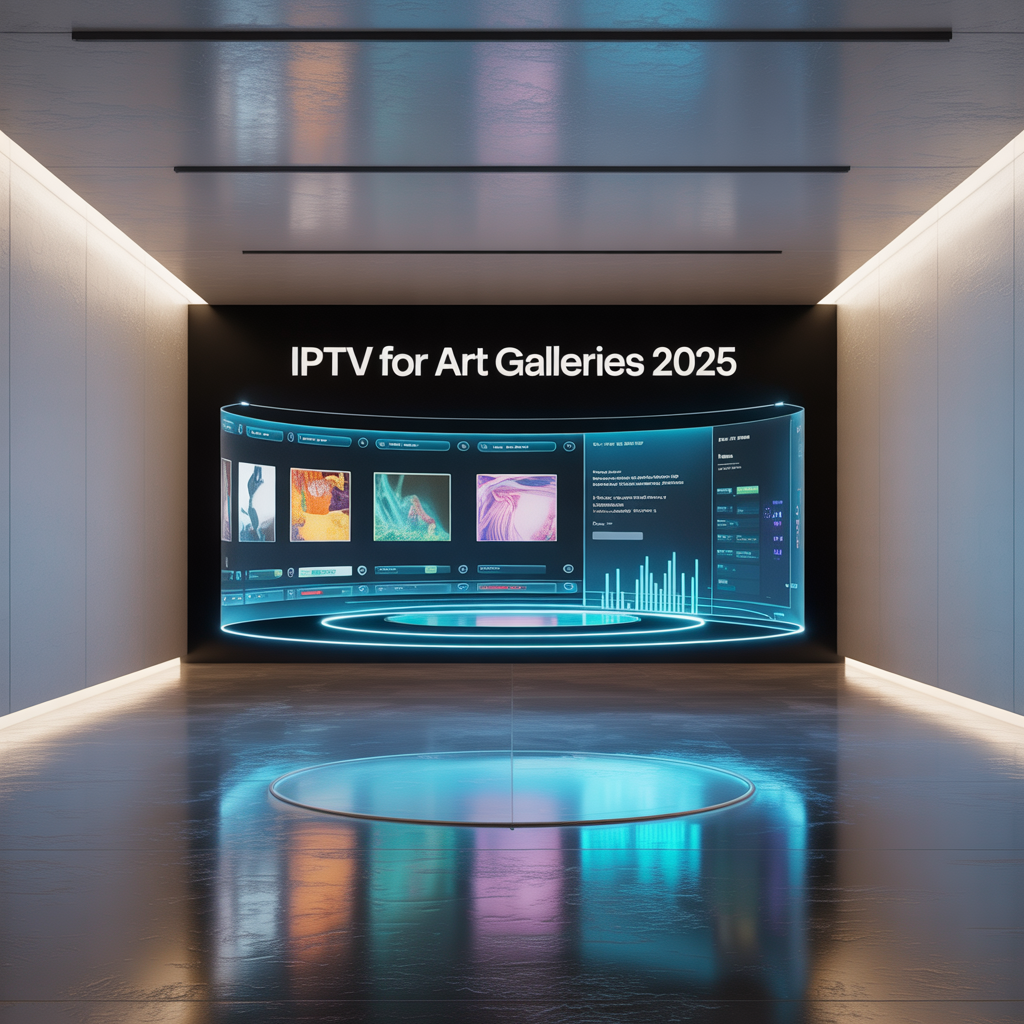
IPTV for Art Galleries in 2025: Transforming the Artistic Experience
In the rapidly evolving landscape of digital technology, art galleries are finding innovative ways to enhance visitor engagement, streamline operations, and expand their reach. One technology that has quietly but powerfully entered the scene is IPTV — Internet Protocol Television. Though traditionally associated with entertainment, IPTV is poised to revolutionize the way art galleries present their collections and interact with their audiences in 2025.
This blog dives into the multiple layers of how IPTV is shaping the future of art galleries, examining the benefits, challenges, and the transformative potential it holds for curators, artists, and visitors alike.
What Is IPTV and Why Should Art Galleries Care?
In today’s digital-first world, the way we consume content is shifting rapidly. You might have heard the term IPTV thrown around in conversations about television and streaming, but what exactly is it? More importantly, why should art galleries, institutions rooted in history and tradition, pay attention to this technology?
Understanding IPTV: More Than Just Internet TV
IPTV stands for Internet Protocol Television. Unlike traditional broadcast TV that relies on cable, satellite, or terrestrial signals, IPTV delivers video content through internet networks. Think of it as television that travels over the same lines your home internet uses.
What makes IPTV different from your typical streaming service like Netflix or YouTube is its delivery method and interactivity. IPTV can be delivered over private networks within buildings or campuses, offers real-time broadcasting, and often supports interactive features such as live chats, on-demand content, and customizable playlists.
Why Should Art Galleries Care About IPTV?
At first glance, IPTV might seem like just another tech buzzword far removed from the quiet, contemplative world of art galleries. But the reality is quite different. Here are some compelling reasons why galleries should take a closer look:
1. Enhancing Visitor Engagement
Art galleries thrive on storytelling. Visitors don’t just want to see paintings; they want to connect with the artist’s vision, understand the context, and immerse themselves in the experience. IPTV allows galleries to supplement physical exhibits with rich multimedia content — interviews, documentaries, artist talks — all accessible on interactive screens or visitors’ mobile devices.
2. Expanding Reach Beyond Walls
Physical galleries have geographic limits. IPTV enables galleries to broadcast exhibitions, openings, and special events live to audiences across the globe. This means someone halfway around the world can join in an exhibit opening in real time, breaking down traditional barriers of access.
3. Flexibility and Customization
Unlike traditional TV, IPTV allows content to be tailored to different audiences. Galleries can offer multilingual guides, educational programs for schools, or curated content for specific visitor groups. This personalization enhances the overall experience and makes art more accessible to diverse audiences.
4. Cost-Effective Content Management
Updating information in a gallery used to mean reprinting brochures or labels. With IPTV, curators can update digital content instantly, keeping information accurate and fresh without additional printing costs.
In Summary
IPTV is more than just a new way to watch TV. For art galleries, it’s a powerful tool to engage visitors, extend reach, and tell richer stories about art and artists. As galleries navigate the evolving expectations of their audiences, IPTV offers a bridge between tradition and technology — a way to honor the past while embracing the future.
If you’re involved with an art gallery or museum, now is the perfect time to explore what IPTV can do for your institution. The possibilities are as limitless as art itself.
The Growing Need for Digital Transformation in Galleries
Art galleries have long been sanctuaries of creativity, history, and cultural exchange. Yet, in an era where technology touches nearly every aspect of daily life, these institutions face a pressing question: how can they remain relevant and engaging in a digital-first world? The answer lies in embracing digital transformation.
What Does Digital Transformation Mean for Galleries?
Digital transformation isn’t just about adding new gadgets or posting on social media. It’s a fundamental shift in how galleries operate, communicate, and deliver value to their audiences. This can involve digitizing collections, using immersive technologies, or adopting new platforms like Internet Protocol Television (IPTV) to enhance visitor engagement.
Why Is Digital Transformation Becoming Essential?
Changing Visitor Expectations
Today’s visitors are more than passive observers. They expect interactive experiences, access to information at their fingertips, and seamless integration between the physical and digital worlds. People want to learn about art in ways that suit their individual preferences — whether that’s through a smartphone app, an interactive display, or a virtual tour.
Broadening Audience Reach
Traditionally, galleries rely on foot traffic and local visitors. Digital tools allow them to break geographic boundaries and connect with global audiences. Virtual exhibitions, live-streamed artist talks, and online workshops can bring art lovers from anywhere into the gallery experience.
Lessons Learned From the Pandemic
The COVID-19 pandemic forced many galleries to close their doors temporarily, accelerating the need for digital alternatives. Those that had already invested in digital platforms were able to pivot quickly and maintain connections with their communities. This experience highlighted that digital transformation is not a luxury — it’s a necessity.
Operational Efficiency
Beyond visitor experience, digital transformation can streamline internal processes. From ticketing and membership management to marketing and analytics, technology helps galleries operate more efficiently and make data-driven decisions.
Embracing IPTV as Part of the Digital Shift
One of the most promising tools for galleries is IPTV, which allows for flexible, interactive content delivery. By integrating IPTV, galleries can broadcast exhibitions, provide multilingual guides, and create immersive storytelling experiences that blend video, audio, and text — all accessible both onsite and remotely.
Challenges and Considerations
Digital transformation is not without its challenges. It requires investment, staff training, and a clear strategy to align technology with the gallery’s mission. But the benefits — increased engagement, expanded reach, and future-proofing the institution — make it a worthwhile endeavor.
Final Thoughts
The art world is evolving, and galleries must evolve with it. Digital transformation offers an exciting opportunity to connect art with audiences in new and meaningful ways. By embracing technology thoughtfully, galleries can preserve their heritage while opening doors to the future.
How IPTV Works in the Context of Art Galleries
As art galleries increasingly look to technology to enhance their visitor experience, one solution gaining momentum is IPTV — Internet Protocol Television. But how exactly does IPTV function within an art gallery setting? And what makes it such an appealing tool for curators and audiences alike?
The Basics of IPTV
At its simplest, IPTV delivers video and multimedia content over an internet connection rather than traditional broadcast methods like cable or satellite. This means that galleries can stream high-quality videos, live events, or interactive programs directly to screens inside the gallery or to viewers remotely.
Key Components of an IPTV Setup for Galleries
- Content Management System (CMS): This is the backbone that allows curators to upload, schedule, and organize videos, interviews, virtual tours, and other media.
- Network Infrastructure: Reliable internet and internal networking ensure smooth streaming without interruptions.
- Display Devices: Screens, projectors, or interactive kiosks placed throughout the gallery to present IPTV content to visitors.
- User Interfaces: Mobile apps or web portals that let visitors explore content on their own devices, extending the experience beyond physical screens.
How Content Flows in a Gallery IPTV System
Here’s a typical flow: the gallery’s team uploads content — such as artist interviews, exhibition walkthroughs, or live streams — to the CMS. The system encodes and packages the content to be delivered over the gallery’s network or the internet. Visitors encounter the content on digital displays or can access it through an app or website, choosing what to watch, when, and how.
Interactivity and Personalization
Unlike traditional broadcast TV, IPTV supports two-way communication. This opens up exciting possibilities in galleries, such as interactive polls about exhibits, Q&A sessions with artists during live streams, or personalized content recommendations based on visitor preferences.
Benefits Unique to the Gallery Environment
The flexibility of IPTV means galleries can update content instantly, switch between multiple streams seamlessly, and even offer multilingual versions of videos to cater to diverse audiences. This agility enhances storytelling and makes art more accessible and engaging.
Conclusion
IPTV isn’t just about streaming videos; it’s a dynamic platform that allows art galleries to reimagine how they communicate and connect with visitors. By understanding the technical workflow and leveraging its interactive features, galleries can create immersive, educational, and inclusive experiences that resonate long after visitors leave the physical space.
Key Benefits of IPTV for Art Galleries in 2025
As technology continues to reshape how we experience art, IPTV — or Internet Protocol Television — is becoming an essential tool for art galleries looking to engage visitors in fresh and innovative ways. While IPTV is often associated with entertainment and broadcasting, its capabilities go far beyond that, especially in the art world.
In 2025, IPTV offers art galleries a unique opportunity to transform how they showcase collections, connect with audiences, and expand their influence. Here are some of the key benefits galleries can expect by integrating IPTV into their operations.
1. Enhanced Visitor Engagement
Art isn’t just something to look at — it’s something to feel and understand. IPTV enables galleries to provide immersive multimedia experiences that complement physical exhibits. Visitors can watch artist interviews, behind-the-scenes footage, or contextual documentaries that deepen their appreciation of the art.
2. Access to a Global Audience
Physical galleries have geographic limits, but IPTV removes those boundaries. By streaming exhibitions, events, or talks online, galleries can invite art lovers from around the world to join in real time or on-demand. This not only increases exposure but also fosters a more inclusive art community.
3. Flexibility in Content Delivery
IPTV allows galleries to customize content delivery based on audience needs. Whether it’s offering multilingual guides, creating specialized programs for schools, or tailoring content for different visitor groups, IPTV’s flexibility helps meet diverse expectations.
4. Cost Efficiency in Updating Information
Updating traditional exhibition materials — like printed brochures or plaques — can be costly and time-consuming. IPTV enables instant updates to digital content, ensuring visitors always receive the latest information without the need for reprints.
5. Support for Accessibility
IPTV platforms can incorporate features like closed captioning, audio descriptions, and adjustable display settings. This makes art more accessible to people with disabilities, helping galleries create a welcoming environment for all visitors.
6. New Revenue Streams
Galleries can leverage IPTV to generate additional income by offering premium content subscriptions, virtual ticketed events, or exclusive artist interviews. This diversifies funding and helps sustain gallery operations in a competitive cultural landscape.
7. Real-Time Interaction and Feedback
Unlike static exhibits, IPTV supports interactive features such as live Q&A sessions, polls, and feedback forms. This two-way communication fosters a dynamic relationship between galleries, artists, and audiences, enriching the overall experience.
Final Thoughts
In 2025, IPTV stands out as more than just a broadcast technology. It is a powerful platform for art galleries to innovate, educate, and inspire. By embracing IPTV, galleries can elevate their storytelling, break down barriers, and create lasting connections with audiences both near and far.
For galleries looking to stay relevant and vibrant in a digital age, IPTV is not just an option — it’s quickly becoming a necessity.
Real-World Examples of IPTV in Art Galleries Today
The art world has always been a place where tradition meets innovation. As digital technologies reshape how we experience culture, IPTV (Internet Protocol Television) is quietly making its mark in art galleries around the globe. Though still an emerging trend, several institutions have already embraced IPTV to enhance visitor engagement, extend their reach, and bring art to life in new ways.
The Tate Modern, London
One of the world’s leading modern art galleries, the Tate Modern, has integrated IPTV into its visitor experience by offering live streams and recorded interviews with artists, curators, and critics. Visitors can watch these engaging pieces on in-gallery screens or access them remotely through the Tate’s digital platforms. This approach brings context to the art and helps visitors form deeper connections with the works on display.
The Museum of Modern Art (MoMA), New York
MoMA has taken IPTV a step further by broadcasting live events such as panel discussions, exhibition openings, and artist talks. These live streams allow global audiences to participate in events they might otherwise miss, breaking down geographic and physical barriers. The museum’s use of IPTV enhances its educational mission while expanding its community.
Small Galleries and Pop-Up Exhibitions
Not just major institutions, but smaller galleries and pop-up exhibitions have also found IPTV invaluable. For example, some European galleries use IPTV to stream virtual openings and interactive walkthroughs, allowing collectors and art enthusiasts worldwide to engage in real time. This democratization of access is especially vital for emerging artists and galleries seeking wider exposure.
The Role of IPTV in Virtual Art Fairs
With the rise of virtual art fairs, IPTV serves as the backbone for streaming live auctions, artist presentations, and gallery booths. It offers a seamless experience for buyers and sellers alike, mimicking the excitement and immediacy of physical events while maintaining the convenience of remote access.
Interactive Educational Programs
Many galleries now use IPTV to deliver interactive educational content to school groups and lifelong learners. By combining video, quizzes, and live Q&A sessions, IPTV helps transform passive viewing into active participation, nurturing a new generation of art lovers.
Conclusion
These real-world examples demonstrate that IPTV is not just a theoretical tool but a practical, impactful technology changing the way art galleries operate and connect with audiences. As more galleries adopt IPTV in 2025 and beyond, we can expect richer, more inclusive, and more engaging art experiences that reach far beyond gallery walls.
Implementing IPTV in Your Gallery: A Step-by-Step Guide
The rise of digital technologies has opened exciting possibilities for art galleries, and IPTV (Internet Protocol Television) is quickly becoming a powerful tool to enhance visitor engagement and broaden reach. If you’re considering adopting IPTV in your gallery but don’t know where to start, this step-by-step guide will walk you through the essentials.
Step 1: Define Your Goals
Before diving into technology, it’s important to clarify what you want to achieve with IPTV. Are you looking to enhance in-gallery experiences, expand your audience online, offer multilingual content, or monetize virtual events? Setting clear goals will guide your choices throughout the implementation process.
Step 2: Choose the Right IPTV Platform
Not all IPTV solutions are created equal. Look for platforms that provide:
- High-quality video streaming capabilities
- Interactive features like live chats, polls, and Q&A
- Easy-to-use content management systems
- Support for multiple devices including smart TVs, tablets, and smartphones
- Analytics to track viewer engagement
Cloud-based platforms offer scalability, while on-premises solutions may provide more control and privacy.
Step 3: Invest in Hardware
Your IPTV experience depends heavily on the right hardware setup. Consider:
- High-definition screens or digital signage throughout the gallery
- Set-top boxes or IPTV receivers if needed
- Robust Wi-Fi infrastructure to ensure smooth streaming
- Interactive kiosks or touchscreen displays for visitor engagement
Step 4: Curate and Produce Content
Compelling content is the heart of any successful IPTV project. Think beyond just streaming exhibitions. Include artist interviews, behind-the-scenes footage, educational programs, virtual tours, and live events. High-quality video production and storytelling will captivate your audience.
Step 5: Train Your Staff
Technology is only as good as the people using it. Train your staff on how to operate the IPTV system, troubleshoot common issues, and assist visitors in accessing content. Staff confidence ensures a smooth, enjoyable experience for everyone.
Step 6: Inform and Engage Your Visitors
Make sure your visitors know about the IPTV offerings. Use clear signage, brochures, and digital communications to explain how to access the content, whether on-site or remotely. Encourage interaction through features like polls or live Q&A sessions to deepen engagement.
Step 7: Monitor, Evaluate, and Improve
Use analytics tools to track which content is most popular and how visitors interact with your IPTV system. Collect feedback to identify areas for improvement. Digital platforms offer the flexibility to adapt quickly and keep the experience fresh and relevant.
Final Thoughts
Implementing IPTV in your gallery can seem daunting, but with a clear plan and the right tools, it becomes an exciting journey to reimagine how you connect with audiences. The blend of technology and art has never been more promising — and your gallery can be at the forefront of this digital transformation.
Overcoming Challenges of IPTV in Art Galleries
IPTV (Internet Protocol Television) offers exciting opportunities for art galleries to connect with audiences in innovative ways. However, like any new technology, it comes with its share of challenges. For galleries eager to embrace IPTV but wary of potential hurdles, understanding these challenges and knowing how to address them is key to success.
1. Technical Limitations and Bandwidth Issues
Streaming high-quality video content requires a reliable and robust internet connection. Galleries located in buildings with outdated infrastructure or in areas with limited broadband may experience buffering, lag, or interruptions.
How to overcome it: Investing in upgraded internet services and Wi-Fi infrastructure is essential. Using content delivery networks (CDNs) can also help distribute content more efficiently. Additionally, optimizing video quality for different devices ensures smooth playback even on slower connections.
2. High Initial Investment
Setting up IPTV involves costs related to hardware (screens, set-top boxes), software licenses, and content production. For smaller galleries with limited budgets, these expenses might seem prohibitive.
How to overcome it: Start small by piloting IPTV in select areas or exhibitions before scaling up. Consider leasing equipment or partnering with technology providers who offer flexible payment plans. Leveraging existing devices such as visitors’ smartphones can also reduce hardware costs.
3. Content Creation and Management
Producing engaging, high-quality content requires time, expertise, and resources. Galleries may struggle to consistently deliver fresh and compelling material that complements their physical exhibits.
How to overcome it: Collaborate with local artists, filmmakers, or media students to create content. Repurpose existing materials such as recorded lectures or archival footage. Investing in a user-friendly content management system simplifies updates and scheduling.
4. Visitor Adoption and Usability
Not all visitors are tech-savvy, and some may feel overwhelmed or uninterested in engaging with digital content. Ensuring IPTV enhances rather than distracts from the art experience is crucial.
How to overcome it: Provide clear instructions and on-site assistance to help visitors navigate IPTV features. Design intuitive interfaces and offer multiple ways to access content, from large screens to mobile apps. Balance digital elements with traditional exhibits to cater to diverse preferences.
5. Privacy and Security Concerns
Collecting user data or streaming copyrighted material poses legal and security challenges. Galleries must ensure compliance with privacy regulations and protect their digital assets.
How to overcome it: Choose IPTV platforms with strong security protocols and transparent data policies. Educate staff about data protection best practices. Obtain necessary permissions for all streamed content to avoid copyright issues.
6. Maintaining the Gallery’s Artistic Integrity
There’s a delicate balance between embracing technology and preserving the contemplative, intimate atmosphere that defines many galleries. Overloading spaces with screens or intrusive digital elements can detract from the art itself.
How to overcome it: Integrate IPTV thoughtfully, using discreet displays and well-curated content that complements rather than competes with physical artworks. Involve artists and curators in planning to maintain the gallery’s vision.
Final Thoughts
While IPTV brings transformative potential to art galleries, it’s important to approach its adoption with awareness and care. By anticipating common challenges and proactively addressing them, galleries can harness IPTV’s benefits without compromising their core mission. With the right strategy, IPTV can become a seamless extension of the artistic experience, inviting visitors to explore, learn, and connect like never before.
The Future: IPTV Trends Shaping Galleries in 2025 and Beyond
As we move further into 2025, the role of technology in art galleries continues to evolve at an impressive pace. IPTV (Internet Protocol Television) is emerging as a key player in this transformation, offering new ways for galleries to engage audiences, present art, and expand their reach. But what does the future hold for IPTV in galleries? Let’s explore the trends that are shaping the art world today and will continue to influence it tomorrow.
1. Artificial Intelligence and Personalization
One of the most exciting developments is the integration of artificial intelligence (AI) with IPTV platforms. AI can analyze visitor preferences and behaviors to offer personalized content recommendations, making each visit unique. Imagine an IPTV system that suggests videos, artist interviews, or guided tours based on your interests — turning a standard visit into a deeply personalized journey.
2. Augmented and Virtual Reality Integration
Augmented reality (AR) and virtual reality (VR) technologies are becoming more accessible and are expected to blend with IPTV offerings. Galleries will be able to offer immersive experiences where visitors can explore 3D art installations or step inside virtual recreations of historical exhibitions — all streamed seamlessly through IPTV. This convergence promises to redefine how art is experienced both onsite and remotely.
3. Blockchain and Digital Art Authentication
The rise of digital art and NFTs (non-fungible tokens) is changing how art is created, sold, and collected. IPTV platforms may soon incorporate blockchain technology to authenticate digital artworks streamed or displayed in galleries. This innovation can provide provenance assurance and facilitate secure transactions, bringing trust and transparency to the digital art market.
4. Hybrid Physical-Digital Exhibitions
The future points toward exhibitions that seamlessly blend physical artworks with digital content streamed via IPTV. Visitors in the gallery and those joining virtually can share experiences simultaneously, participating in live discussions, polls, and interactive sessions. This hybrid model expands accessibility and fosters a global community around art.
5. Enhanced Interactivity and Real-Time Engagement
IPTV’s two-way communication capabilities will enable galleries to offer more interactive content, from live Q&A sessions with artists to real-time feedback polls. This level of engagement transforms visitors from passive observers into active participants, enriching the overall experience.
6. Sustainability and Reduced Carbon Footprint
Digital exhibitions streamed via IPTV reduce the need for physical travel and printed materials, aligning with growing sustainability goals. As galleries adopt greener practices, IPTV becomes a valuable tool in minimizing environmental impact while maximizing outreach.
Final Thoughts
The intersection of IPTV and art galleries is opening doors to unprecedented possibilities. As these trends continue to unfold, galleries that embrace IPTV thoughtfully will not only stay relevant but will lead the charge in redefining how art is shared, experienced, and cherished in the digital age. The future is bright, interactive, and beautifully interconnected.
Conclusion: IPTV as a Gateway to a New Era of Art Appreciation
In recent years, the way we experience art has been shifting dramatically, driven in large part by advances in technology. Among these, IPTV (Internet Protocol Television) stands out as a powerful force, quietly transforming art galleries into dynamic, interactive spaces that reach far beyond their physical walls.
IPTV offers galleries the chance to create richer, more engaging stories around their collections. It bridges the gap between artists and audiences, offering new avenues for learning, participation, and connection. Visitors are no longer just observers but become active participants in the artistic journey.
Moreover, IPTV breaks down traditional barriers of geography and accessibility. Whether someone is across town or across the globe, they can join in live exhibitions, virtual tours, and artist talks, creating a truly global community of art lovers. This inclusivity not only broadens audiences but also nurtures a deeper appreciation for diverse forms of artistic expression.
Of course, adopting IPTV is not without challenges. It requires thoughtful integration, investment, and a commitment to preserving the intimate, contemplative nature of art galleries. But when done well, IPTV serves as a gateway to a new era—one where technology and creativity come together to enrich our cultural lives.
As we look ahead, it’s clear that IPTV will play an increasingly vital role in shaping the future of art appreciation. For galleries willing to embrace this technology, the possibilities are as limitless as the imagination itself.
In the end, IPTV isn’t just about technology—it’s about enhancing the human experience of art, opening doors to inspiration, understanding, and connection in ways we are only beginning to explore.